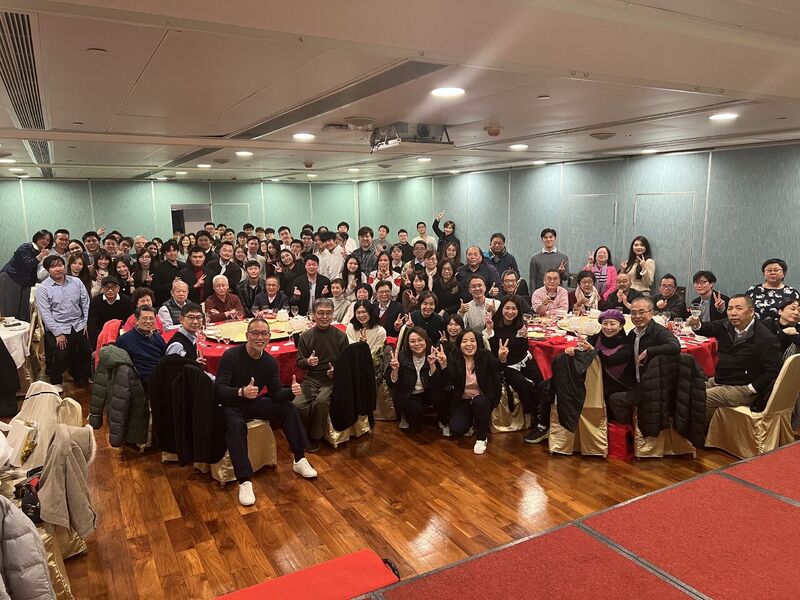
台灣新竹舉辦OutSystems Jump Start低代碼體驗會
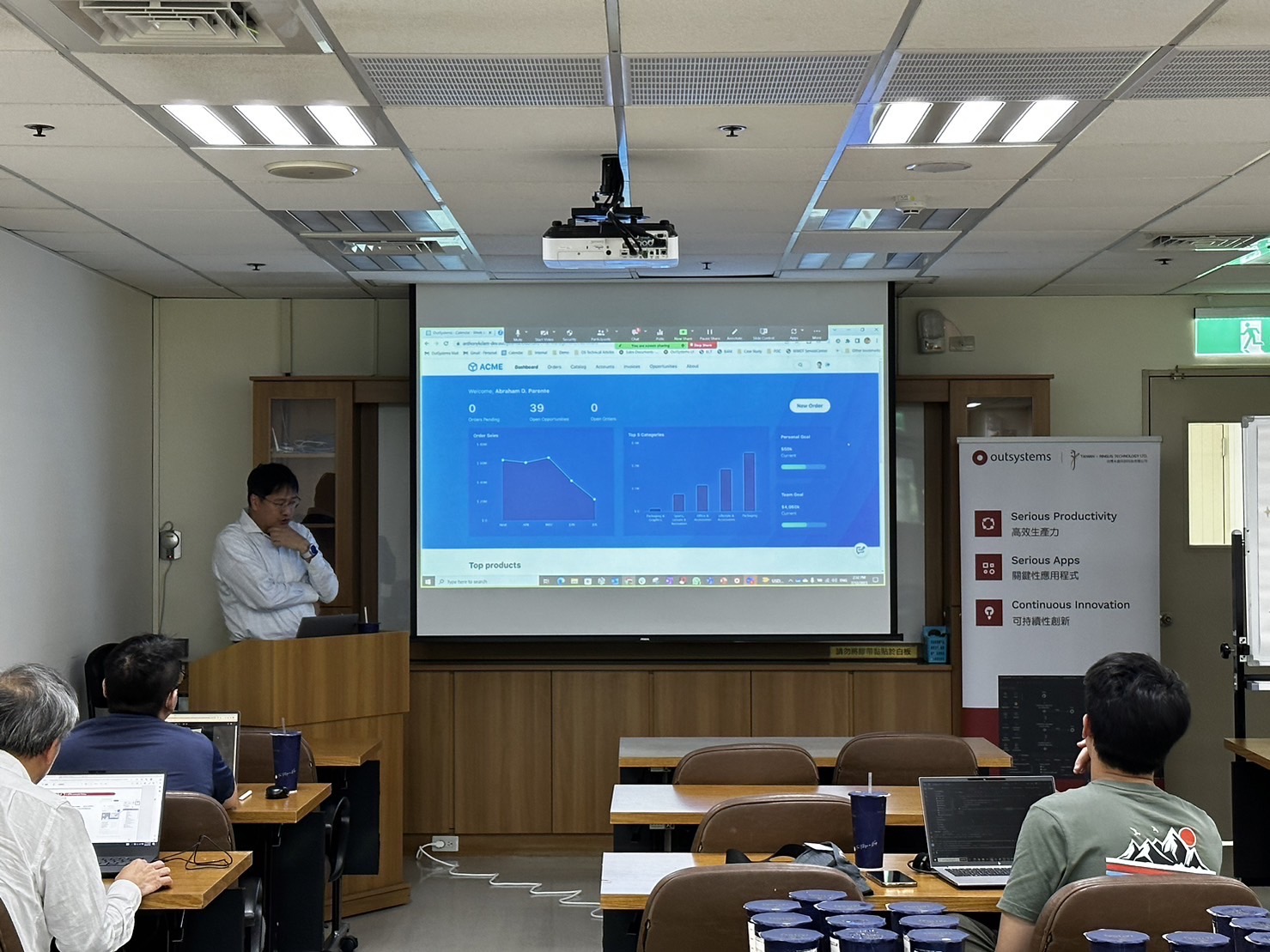
Ringus成為OutSystems戰略夥伴多年,攜手參與許多大型資訊科技活動,即便是線上活動也不缺席,只為帶給企業更多的資訊及想法。Covid疫情後,Ringus與OutSystems也共同舉辦多場線下互動型活動,例如Jump Start,讓參加活動者親自操作OutSystems開發平台快速建立應用,感受其開發速度與輕鬆整合的能力,進而思考低代碼技術帶給企業的價值。  

2023年7月12日於台灣新竹科學園區舉辦Jump Start實體活動,Ringus特別邀請OutSystems系統架構師Anthony親臨現場教學,並分享OutSystems低代碼開發平台的優點及其趨勢。大多與會者皆為第一次接觸低代碼新技術,透過現場實際操作,並與講師分享交流目前開發上遇到的挑戰,了解新技術外,也嘗試於活動中找到解決方法,進而延伸思考於企業上可運用的方向。  

Ringus也將持續將最新訊息分享於大家。

More Updates

Further reading

Speed Without the Sprawl

Leveraging OutSystems' rapid development strengths, our team achieves true Agile development, focusing intensely on user requirements. However, requirements are never fixed; they take time to refine within the project's cycle. If a developer simply builds projects based on the initial requirements, it leads to significant rework when those requirements are inevitably revised. This creates serious technical debt that can derail a project's schedule. To combat this, we strictly follow the OutSystems Canvas Design architecture to define each module's usage and content. We generalize logic into foundational modules, optimizing reusability and providing high adaptability when requirements change. This approach allows us to eliminate complicated dependencies—avoiding the deployment nightmares that plague monolithic systems. The Real-World Challenge: "The Spaghetti Monolith" We’ve all seen it. A project starts fast. The "Idea-to-App" time is record-breaking. But as sprints pass and requirements evolve, the "interest rate" on technical debt spikes. Suddenly, changing a simple UI element breaks a core business process because the logic was trapped inside the screen. Deployment becomes a "big bang" event where everything must go live at once because of circular dependencies. In our team, we don't just "code fast"; we architect for resilience. Our Solution: The 4 Layer Canvas Strategy We treat the 4 Layer Canvas not just as a suggestion, but as our structural imperative. Here is how we use it to handle volatile requirements:  Isolating Volatility (End-User Layer): We keep our User Interfaces (UI) and interaction logic in the End-User Layer. This layer is highly volatile—it changes constantly based on user feedback. By isolating it, we can redesign a "Customer Portal" without risking regressions in our core business rules.Stabilizing Business Logic (Core Layer): We abstract our entities and business rules into the Core Layer. This is the backbone of our factory. Whether the data is accessed by a Mobile App, a Web Portal, or a Timer, the validation rules remain consistent. This promotes the "Don't Repeat Yourself" (DRY) principle.Enabling Independent Deployments: By using Service Actions (Weak Dependencies) in our Core layer, we decouple our modules. This allows different squads to deploy changes independently without forcing a factory-wide refresh—a critical enabler for our CI/CD pipelines.The Governor: AI-Driven Architecture How do we ensure we stick to these rules when moving at Agile speeds? We don't just rely on manual code reviews; we use the AI Mentor System. This tool acts as our automated architect. It scans our entire factory to detect architectural violations that humans might miss, such as: Upward References: Preventing foundational libraries from depending on business logic.Side References: Ensuring our End-User apps don't tightly couple with one another.Circular Dependencies: Identifying the "deadly embrace" between modules that locks deployments.The AI Mentor System quantifies this debt, allowing us to pay it down proactively before it hinders our release velocity. Join a Team That Values Architecture In our Taiwan office, we believe that low-code doesn't mean "low-architecture." We are building resilient, composable enterprise ecosystems that can scale. If you are a developer who cares about structural integrity, clean code, and mastering the art of OutSystems architecture, we want to hear from you.