"๐—ฉ๐—ถ๐—ฏ๐—ฒ ๐—–๐—ผ๐—ฑ๐—ถ๐—ป๐—ด" ๐—ฅ๐—ฒ๐˜ƒ๐—ผ๐—น๐˜‚๐˜๐—ถ๐—ผ๐—ป

๐ŸŒŸ ๐—•๐˜‚๐—ถ๐—น๐—ฑ๐—ถ๐—ป๐—ด ๐—”๐—ฝ๐—ฝ๐˜€ ๐—™๐—ฎ๐˜€๐˜๐—ฒ๐—ฟ: ๐—ง๐—ต๐—ฒ "๐—ฉ๐—ถ๐—ฏ๐—ฒ ๐—–๐—ผ๐—ฑ๐—ถ๐—ป๐—ด" ๐—ฅ๐—ฒ๐˜ƒ๐—ผ๐—น๐˜‚๐˜๐—ถ๐—ผ๐—ป ๐˜„๐—ถ๐˜๐—ต ๐—ข๐˜‚๐˜๐—ฆ๐˜†๐˜€๐˜๐—ฒ๐—บ๐˜€ ๐ŸŒŸ

Remember when building an app felt like an endless process? We know the frustration of needing speed but hitting constant roadblocks. Well, a new approach called "vibe coding" is changing everything by teaming developers with AI. ๐Ÿš€

๐Ÿ’ก A Game-Changer : The OutSystems + Vibe Coding Solution
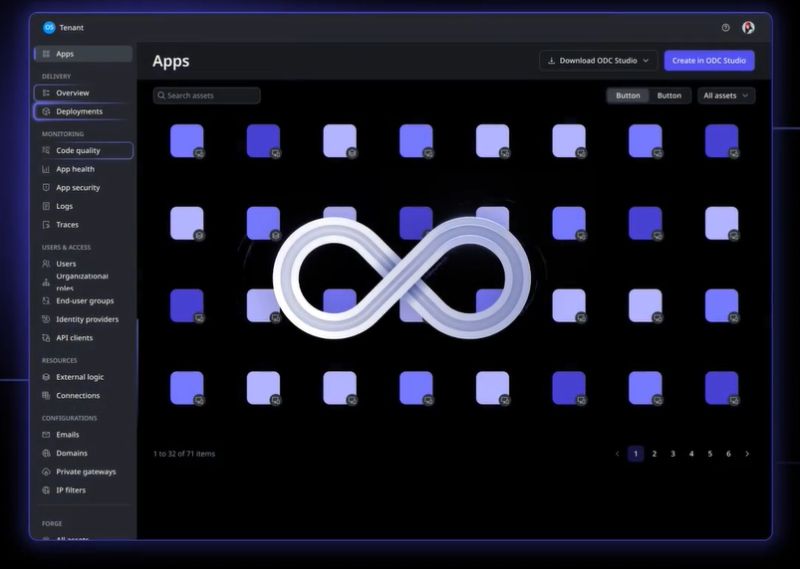
This is where OutSystems steps in with its "OutSystems Mentor" and "Agent Workbench" tools, making vibe coding a reality for serious business applications.

๐Ÿ‘‰ OutSystems Mentor: Imagine simply telling the system, "Build a mobile app for our field service team to report issues." Mentor then creates the entire app โ€“ the data structure, screens, and workflows โ€“ all from your plain language request! Need to add an "approval step"? Just tell it, and it's done instantly.
๐Ÿ‘‰Agent Workbench: This powerful tool lets you direct multiple AI assistants to handle complicated tasks. You define the overall goal, and the AI agents figure out how to get it done.

๐Ÿ” Why This Matters
Vibe coding with OutSystems empowers everyone:
๐Ÿ’ก Developers can focus on solving interesting problems instead of repetitive, tedious coding.
๐Ÿ’กBusiness leaders can test new ideas rapidly and get prototypes into people's hands without long waits for IT.
๐Ÿ’กIT teams can cut down on routine work, while still ensuring everything meets security, compliance, and governance standards.

๐Ÿ’ช JOIN US!!!
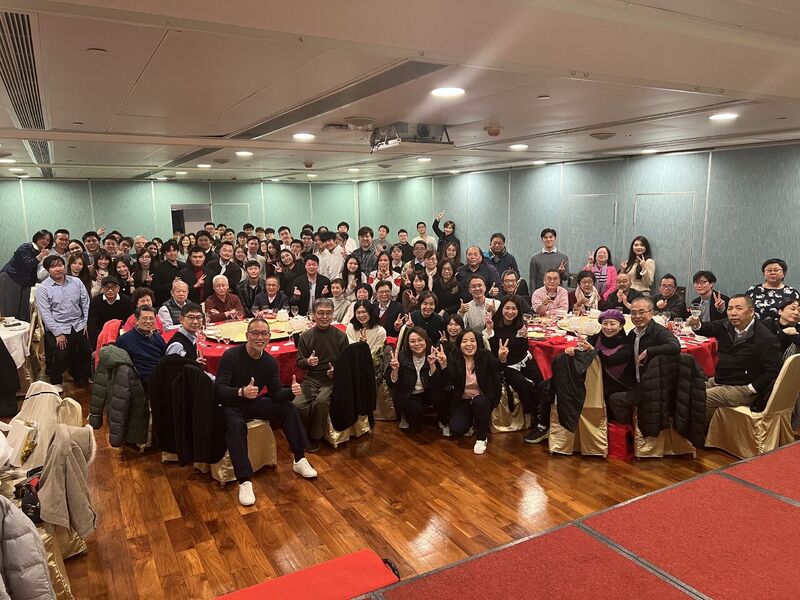
Ready to tackle a new challenge? If you're passionate about low-code development and want to join a dynamic team dedicated to learning and innovation, we want to hear from you.

More Updates

Further reading

Speed Without the Sprawl

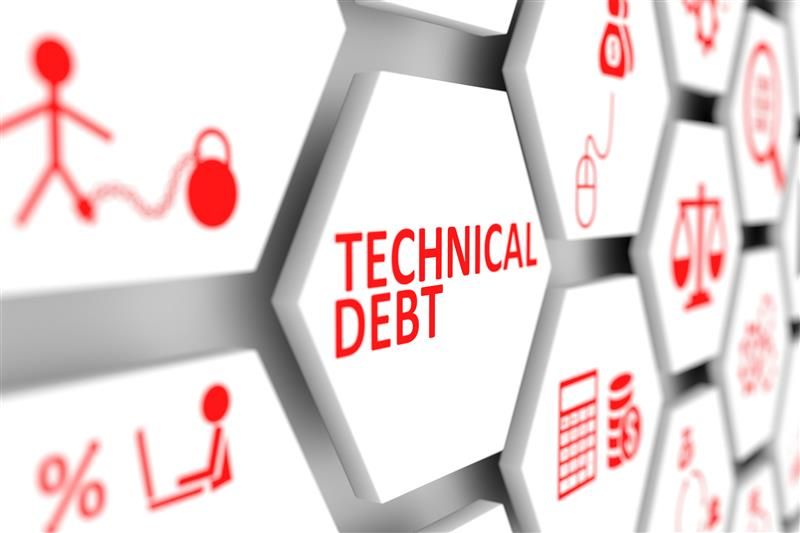
Leveraging OutSystems' rapid development strengths, our team achieves true Agile development, focusing intensely on user requirements. However, requirements are never fixed; they take time to refine within the project's cycle. If a developer simply builds projects based on the initial requirements, it leads to significant rework when those requirements are inevitably revised. This creates serious technical debt that can derail a project's schedule. To combat this, we strictly follow the OutSystems Canvas Design architecture to define each module's usage and content. We generalize logic into foundational modules, optimizing reusability and providing high adaptability when requirements change. This approach allows us to eliminate complicated dependenciesโ€”avoiding the deployment nightmares that plague monolithic systems. The Real-World Challenge: "The Spaghetti Monolith" Weโ€™ve all seen it. A project starts fast. The "Idea-to-App" time is record-breaking. But as sprints pass and requirements evolve, the "interest rate" on technical debt spikes. Suddenly, changing a simple UI element breaks a core business process because the logic was trapped inside the screen. Deployment becomes a "big bang" event where everything must go live at once because of circular dependencies. In our team, we don't just "code fast"; we architect for resilience. Our Solution: The 4 Layer Canvas Strategy We treat the 4 Layer Canvas not just as a suggestion, but as our structural imperative. Here is how we use it to handle volatile requirements:  Isolating Volatility (End-User Layer): We keep our User Interfaces (UI) and interaction logic in the End-User Layer. This layer is highly volatileโ€”it changes constantly based on user feedback. By isolating it, we can redesign a "Customer Portal" without risking regressions in our core business rules.Stabilizing Business Logic (Core Layer): We abstract our entities and business rules into the Core Layer. This is the backbone of our factory. Whether the data is accessed by a Mobile App, a Web Portal, or a Timer, the validation rules remain consistent. This promotes the "Don't Repeat Yourself" (DRY) principle.Enabling Independent Deployments: By using Service Actions (Weak Dependencies) in our Core layer, we decouple our modules. This allows different squads to deploy changes independently without forcing a factory-wide refreshโ€”a critical enabler for our CI/CD pipelines.The Governor: AI-Driven Architecture How do we ensure we stick to these rules when moving at Agile speeds? We don't just rely on manual code reviews; we use the AI Mentor System. This tool acts as our automated architect. It scans our entire factory to detect architectural violations that humans might miss, such as: Upward References: Preventing foundational libraries from depending on business logic.Side References: Ensuring our End-User apps don't tightly couple with one another.Circular Dependencies: Identifying the "deadly embrace" between modules that locks deployments.The AI Mentor System quantifies this debt, allowing us to pay it down proactively before it hinders our release velocity. Join a Team That Values Architecture In our Taiwan office, we believe that low-code doesn't mean "low-architecture." We are building resilient, composable enterprise ecosystems that can scale. If you are a developer who cares about structural integrity, clean code, and mastering the art of OutSystems architecture, we want to hear from you. 

๐—ก๐—ฒ๐˜„ ๐—ฅ๐—ฒ๐˜๐—ฟ๐—ถ๐—ฒ๐˜ƒ๐—ฎ๐—น ๐—”๐˜‚๐—ด๐—บ๐—ฒ๐—ป๐˜๐—ฒ๐—ฑ ๐—š๐—ฒ๐—ป๐—ฒ๐—ฟ๐—ฎ๐˜๐—ถ๐—ผ๐—ป (๐—ฅ๐—”๐—š) ๐—”๐—œ ๐—š๐˜‚๐—ถ๐—ฑ๐—ฎ๐—ป๐—ฐ๐—ฒ

Germany's Data Protection Conference just released comprehensive guidance on AI systems with Retrieval Augmented Generation (RAG) - a game-changer for organizations implementing AI governance under ISO 42001.Key Compliance Requirements:๐Ÿ”ŽData Accuracy - Enhanced Large Language Model (LLM) responses but error accountability remains๐Ÿ”ŽTransparency - Improved document traceability within RAG knowledge bases๐Ÿ”ŽPurpose Limitation - Technical implementation through client/functional separation๐Ÿ”ŽData Minimization - Strategic vector database content management๐Ÿ”ŽData Subject Rights - Full rights coverage across prompts, outputs, and databases๐Ÿ‘‰ Why This Matters for ISO 42001:RAG systems are becoming mainstream for internal chatbots and enterprise AI. The Data Protection Conference guidance directly aligns with ISO 42001's requirements for AI risk management, data governance, and algorithmic accountability.Organizations deploying RAG technology must now ensure their AI management systems comply with both German data protection standards and international ISO 42001 frameworks.Our cybersecurity and privacy consultation expertise helps organizations navigate these complex requirements, ensuring your RAG implementations meet regulatory standards while maximizing business value.